












हमें इंस्टाग्राम पर फॉलो करें
एक बाहरी कंपनी से अधिक।

@sawyerproducts
Follow us on Instagram











Reduce your risk of tick-borne illnesses with these doctor-recommended tips.
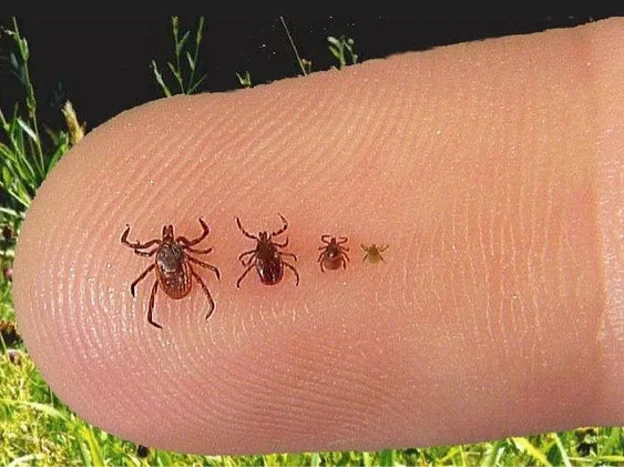
Watch videoWhile all tick-borne illnesses are something to watch out for during the summer hiking season, Lyme disease is becoming more prevalent as milder winters due to climate change expand the deer tick range and allow more of their population to survive into spring. I’ve been backpacking and hiking for 15 years, and I’ve learned to be much more careful about tick checks and prevention as I’ve seen more and more of them pop up where I live in Montana. “This isn’t just a Northeast or deep-woods problem anymore,” says Dr. Sunjya Schweig, MD, who serves on the Scientific Advisory Board of the Bay Area Lyme Foundation. “Ticks now turn up in most of the country, including 56 of California’s 58 counties.”
While deer tick range is expanding, “living in or visiting a high-incidence endemic area is the single strongest risk factor,” says Dr. Richard Horowitz, Medical Director of Hudson Valley Healing Arts Center and a founding member of the International Lyme and Associated Diseases Society. He says that 14 states in the northeastern, Mid-Atlantic, and North Central regions “account for over 95 percent of all reported cases.”
Continue reading to learn more about preventing tick bites, written by Maggie Slepian.


While all tick-borne illnesses are something to watch out for during the summer hiking season, Lyme disease is becoming more prevalent as milder winters due to climate change expand the deer tick range and allow more of their population to survive into spring. I’ve been backpacking and hiking for 15 years, and I’ve learned to be much more careful about tick checks and prevention as I’ve seen more and more of them pop up where I live in Montana. “This isn’t just a Northeast or deep-woods problem anymore,” says Dr. Sunjya Schweig, MD, who serves on the Scientific Advisory Board of the Bay Area Lyme Foundation. “Ticks now turn up in most of the country, including 56 of California’s 58 counties.”
While deer tick range is expanding, “living in or visiting a high-incidence endemic area is the single strongest risk factor,” says Dr. Richard Horowitz, Medical Director of Hudson Valley Healing Arts Center and a founding member of the International Lyme and Associated Diseases Society. He says that 14 states in the northeastern, Mid-Atlantic, and North Central regions “account for over 95 percent of all reported cases.”
Continue reading to learn more about preventing tick bites, written by Maggie Slepian.
While all tick-borne illnesses are something to watch out for during the summer hiking season, Lyme disease is becoming more prevalent as milder winters due to climate change expand the deer tick range and allow more of their population to survive into spring. I’ve been backpacking and hiking for 15 years, and I’ve learned to be much more careful about tick checks and prevention as I’ve seen more and more of them pop up where I live in Montana. “This isn’t just a Northeast or deep-woods problem anymore,” says Dr. Sunjya Schweig, MD, who serves on the Scientific Advisory Board of the Bay Area Lyme Foundation. “Ticks now turn up in most of the country, including 56 of California’s 58 counties.”
While deer tick range is expanding, “living in or visiting a high-incidence endemic area is the single strongest risk factor,” says Dr. Richard Horowitz, Medical Director of Hudson Valley Healing Arts Center and a founding member of the International Lyme and Associated Diseases Society. He says that 14 states in the northeastern, Mid-Atlantic, and North Central regions “account for over 95 percent of all reported cases.”
Continue reading to learn more about preventing tick bites, written by Maggie Slepian.
एक बाहरी कंपनी से अधिक।

