











हमें इंस्टाग्राम पर फॉलो करें
एक बाहरी कंपनी से अधिक।

@sawyerproducts
Follow us on Instagram












With a historic year for tick-borne illness already in the making, let’s review some behaviors and protection methods proven to keep them at bay.
Watch videoThis year, a perfect storm is brewing for tick populations across the country. Tick-borne illnesses, including Lyme disease, Rocky Mountain spotted fever, and alpha-gal syndrome, are on the rise, and tick bites are already causing ER visits to surge to a ten-year high (CDC, 2026). In a battle against bloodsucking, disease-ridden bugs, how are we supposed to fully enjoy the outdoors while also protecting those most important to us?
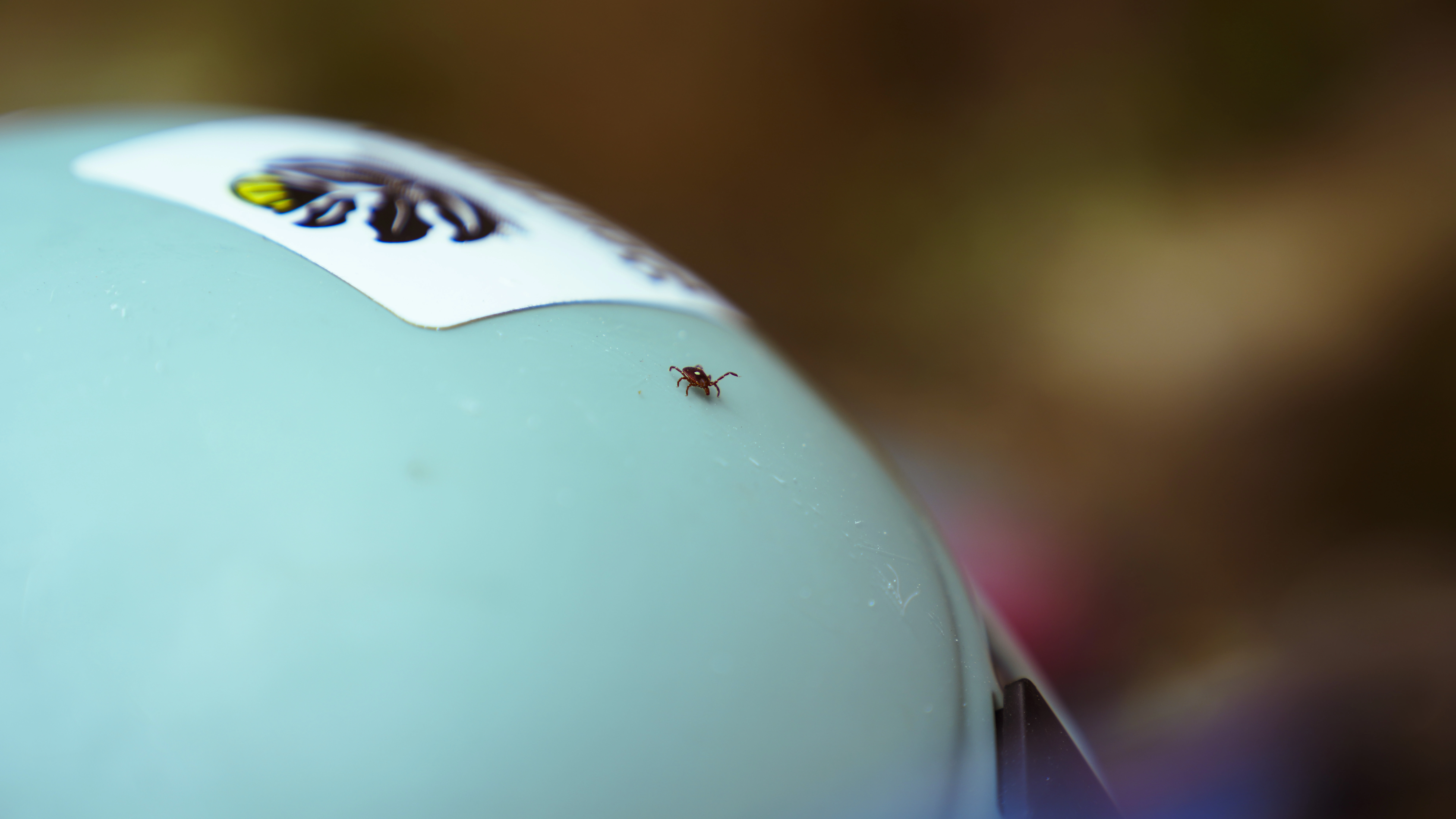
While behaviors and the diseases they may carry may vary based on the specific species of tick present in your neck of the woods, the following knowledge about their favorite places to hang out may save you from a couple of unwanted hitchhikers this season.
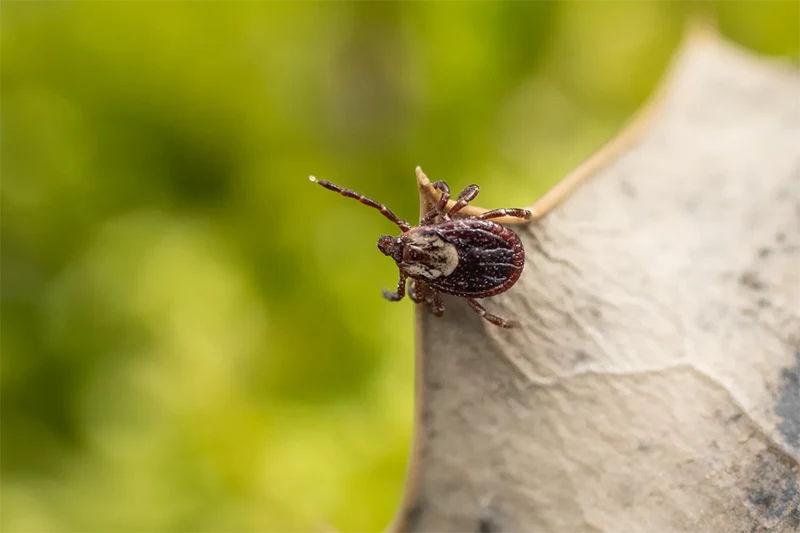
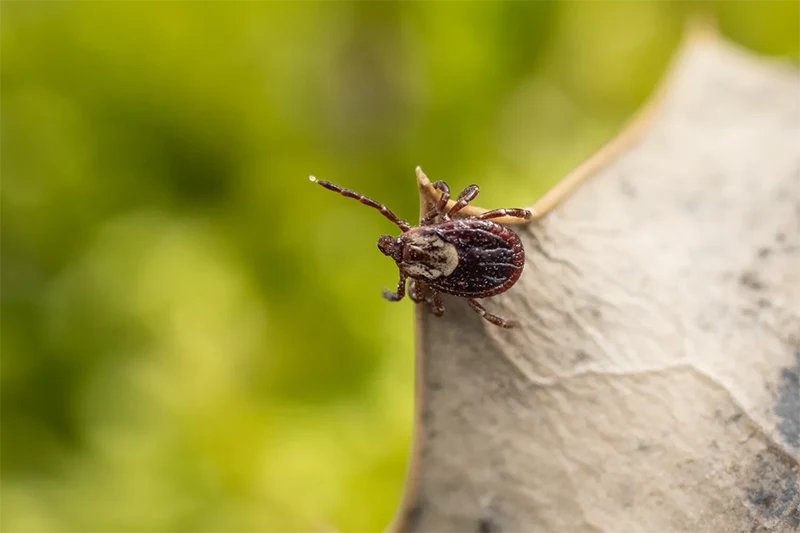
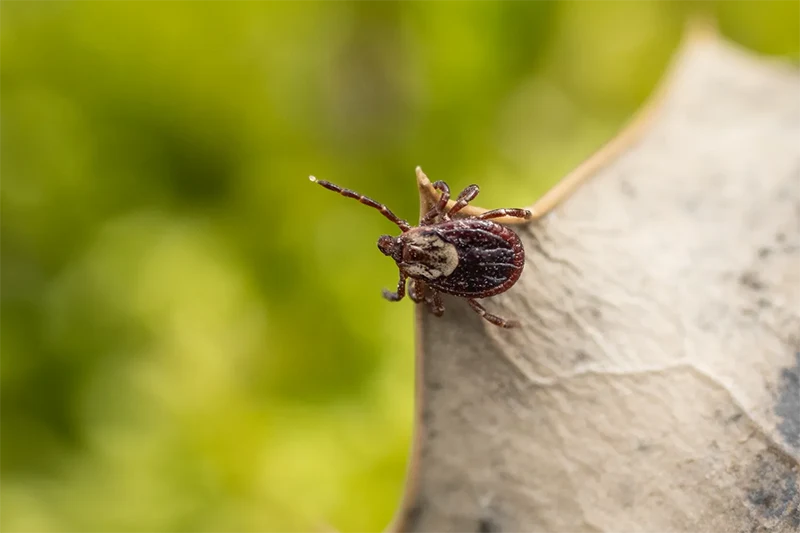
Ticks can’t fly or jump (thank goodness!), but they can detect animals by their breath and body odors, body heat, moisture, vibrations, and even sense shadows of potential hosts that walk by. To hunt, they perch at the tops of tall grasses, leaves, and brush in a “questing” position with back legs secured and front legs stretching out to grab onto the next suitable host.
Staying on trail and avoiding these “questing” areas - tall grass, brush, or leaf litter - is an effective method of keeping them where they belong - off of you.
If you have a yard, keeping the grass short or adding a mulch or wood chip barrier can also be a helpful way to manage tick habitat close to home.
.webp)
Ticks may be sneaky, but in order to feed they have to find your skin first. Cover as much skin as possible by wearing long sleeves and pants, and tie up long hair. Tuck pants into socks and shirts into waistbands to keep them on the outside of clothing where they’re easier to spot and remove.
Adopt the habit of conducting short tick checks during breaks outside. Once home, a hot shower is a great opportunity for a thorough check and wash off any ticks that are not yet attached. A lint roller or tape can also be used to remove any remaining ticks from clothes or skin.
Here are some places ticks especially like to hide - use a flashlight for best visibility.
.webp)
While long layers are helpful, it’s not always realistic to cover up every inch of exposed skin when heading outside. For those days, a reliable topical repellent with all-day protection can make all the difference.
Sawyer’s 20% Picaridin formula provides all-day protection and is gentle enough for use on kids 6 months and older as well as pregnant people. Available as a lotion and a spray, Picaridin offers a fragrance-free option that's a favorite among those who may be sensitive to traditional insect repellents such as DEET. Not only does it repel ticks, but it also keeps biting flies, mosquitoes, and over 55 other kinds of insects and bugs at bay.
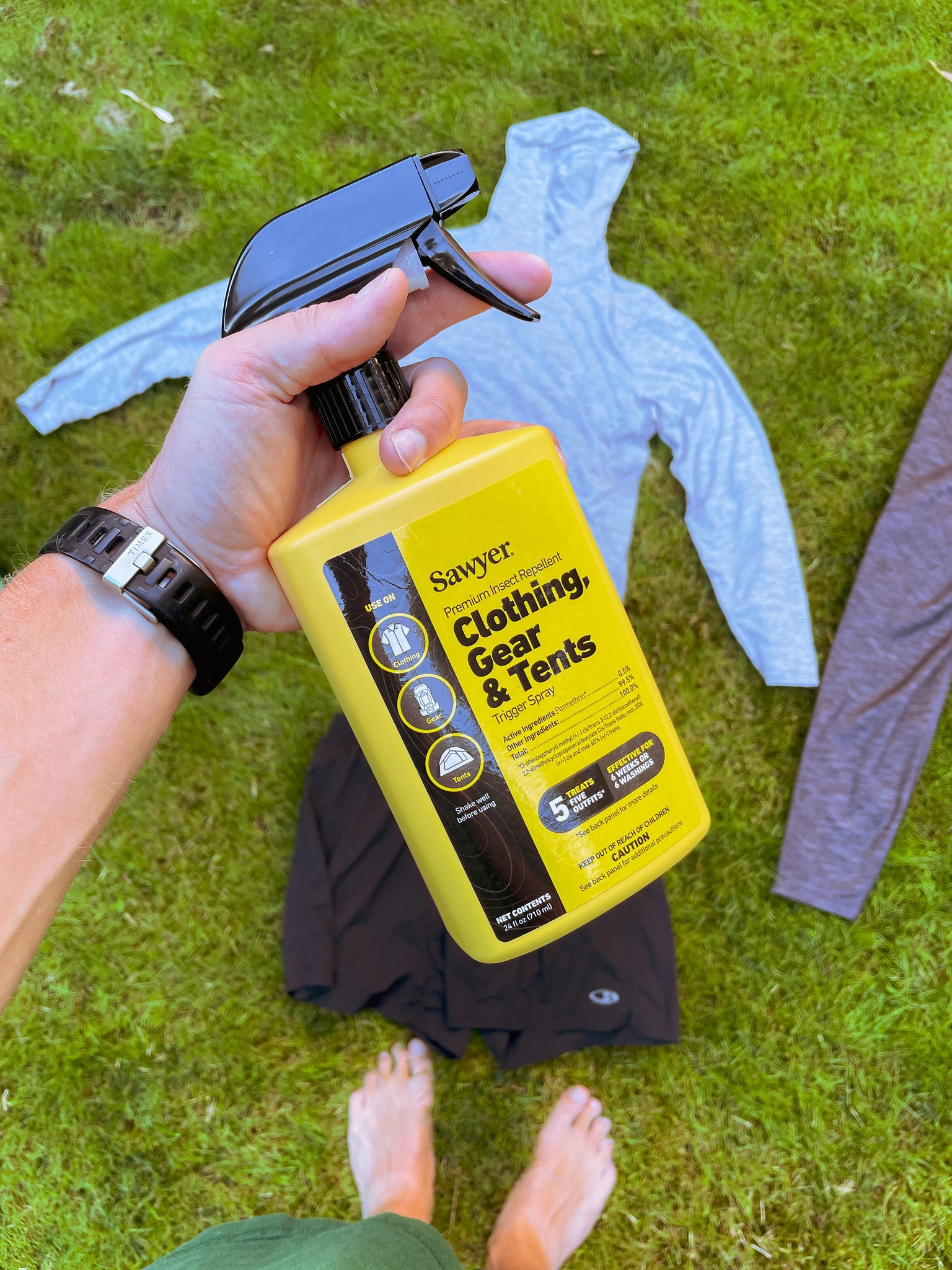
Consider applying Sawyer’s pharmaceutical-grade Permethrin to gear and clothes for an effective repellent that lasts. Simply lay out what you want to treat, spray it down enough so fabric color changes to indicate a thorough wetting, and let it dry. Then you’re guaranteed protection for up to 6 weeks of UV exposure, or 6 washes in a washing machine - whichever comes first.
While it works to repel over 55 types of bugs and insects, Permethrin is especially effective against ticks.
A University of Rhode Island study (2011) found that people wearing Permethrin-treated shoes and socks were 73.6 times less likely to have a tick bite than those wearing untreated footwear.
.webp)
Finding an embedded tick can be stressful, but is perfectly manageable. Follow the steps below to safely remove a tick and set yourself up for success with a healthcare provider follow up, if necessary.
.webp)
Disclaimer: The content in this blog is intended for informational purposes only and should not be considered medical advice. Sawyer Products and its representatives are not healthcare professionals and cannot diagnose or treat medical conditions. Always seek guidance from your physician or other qualified medical provider regarding any symptoms, medical concerns, or treatment decisions related to tick bites or tick-borne illnesses.
Emerging flu-like symptoms in the several weeks following a tick bite may indicate a tickborne illness has been transmitted. Many tickborne diseases have similar signs and symptoms, so information about when and where the tick was acquired can be especially helpful to healthcare providers when diagnosing.
Keep an eye out for the following, and contact a healthcare provider if any develop within several weeks of a known tick bite.
Even if you haven’t developed symptoms or contacted a healthcare provider directly, there are options to determine whether an individual tick is carrying a disease to begin with. Use the resources below to find the most convenient option for you.

Pet owners are nearly twice as likely to find ticks crawling on them as those without pets in the home (Zoonoses and Public Health, 2017). Check pets after they've been outside, and use a consistent flea and tick preventive recommended by your veterinarian to keep ticks from making your furry friend a host.
Tick checks aren’t just for humans - check dogs ears, neck, under the collar, armpits, groin, between toes, under the tail, and around the eyelids for unwanted hitchhikers when they’re done playing outdoors.
Permethrin is also an effective flea and tick treatment for dogs, and doesn’t require the bug to bite to be effective. Ticks only need to crawl across one inch of treated fur to begin the dying process, which means they won’t just hop onto the human members of your household if they’re carried in.

Statement from the CDC, Apr 2026 - CDC Data Show Weekly ER Visits for Tick Bites Higher than Usual
Zoonoses and Public Health June 2017 - Pet ownership increases human risk of encountering ticks
University of Rhode Island March 2011 - Tick bite protection with permethrin-treated summer-weight clothing

This year, a perfect storm is brewing for tick populations across the country. Tick-borne illnesses, including Lyme disease, Rocky Mountain spotted fever, and alpha-gal syndrome, are on the rise, and tick bites are already causing ER visits to surge to a ten-year high (CDC, 2026). In a battle against bloodsucking, disease-ridden bugs, how are we supposed to fully enjoy the outdoors while also protecting those most important to us?
While behaviors and the diseases they may carry may vary based on the specific species of tick present in your neck of the woods, the following knowledge about their favorite places to hang out may save you from a couple of unwanted hitchhikers this season.
Ticks can’t fly or jump (thank goodness!), but they can detect animals by their breath and body odors, body heat, moisture, vibrations, and even sense shadows of potential hosts that walk by. To hunt, they perch at the tops of tall grasses, leaves, and brush in a “questing” position with back legs secured and front legs stretching out to grab onto the next suitable host.
Staying on trail and avoiding these “questing” areas - tall grass, brush, or leaf litter - is an effective method of keeping them where they belong - off of you.
If you have a yard, keeping the grass short or adding a mulch or wood chip barrier can also be a helpful way to manage tick habitat close to home.
Ticks may be sneaky, but in order to feed they have to find your skin first. Cover as much skin as possible by wearing long sleeves and pants, and tie up long hair. Tuck pants into socks and shirts into waistbands to keep them on the outside of clothing where they’re easier to spot and remove.
Adopt the habit of conducting short tick checks during breaks outside. Once home, a hot shower is a great opportunity for a thorough check and wash off any ticks that are not yet attached. A lint roller or tape can also be used to remove any remaining ticks from clothes or skin.
Here are some places ticks especially like to hide - use a flashlight for best visibility.
While long layers are helpful, it’s not always realistic to cover up every inch of exposed skin when heading outside. For those days, a reliable topical repellent with all-day protection can make all the difference.
Sawyer’s 20% Picaridin formula provides all-day protection and is gentle enough for use on kids 6 months and older as well as pregnant people. Available as a lotion and a spray, Picaridin offers a fragrance-free option that's a favorite among those who may be sensitive to traditional insect repellents such as DEET. Not only does it repel ticks, but it also keeps biting flies, mosquitoes, and over 55 other kinds of insects and bugs at bay.
Consider applying Sawyer’s pharmaceutical-grade Permethrin to gear and clothes for an effective repellent that lasts. Simply lay out what you want to treat, spray it down enough so fabric color changes to indicate a thorough wetting, and let it dry. Then you’re guaranteed protection for up to 6 weeks of UV exposure, or 6 washes in a washing machine - whichever comes first.
While it works to repel over 55 types of bugs and insects, Permethrin is especially effective against ticks.
A University of Rhode Island study (2011) found that people wearing Permethrin-treated shoes and socks were 73.6 times less likely to have a tick bite than those wearing untreated footwear.
Finding an embedded tick can be stressful, but is perfectly manageable. Follow the steps below to safely remove a tick and set yourself up for success with a healthcare provider follow up, if necessary.
Disclaimer: The content in this blog is intended for informational purposes only and should not be considered medical advice. Sawyer Products and its representatives are not healthcare professionals and cannot diagnose or treat medical conditions. Always seek guidance from your physician or other qualified medical provider regarding any symptoms, medical concerns, or treatment decisions related to tick bites or tick-borne illnesses.
Emerging flu-like symptoms in the several weeks following a tick bite may indicate a tickborne illness has been transmitted. Many tickborne diseases have similar signs and symptoms, so information about when and where the tick was acquired can be especially helpful to healthcare providers when diagnosing.
Keep an eye out for the following, and contact a healthcare provider if any develop within several weeks of a known tick bite.
Even if you haven’t developed symptoms or contacted a healthcare provider directly, there are options to determine whether an individual tick is carrying a disease to begin with. Use the resources below to find the most convenient option for you.
Pet owners are nearly twice as likely to find ticks crawling on them as those without pets in the home (Zoonoses and Public Health, 2017). Check pets after they've been outside, and use a consistent flea and tick preventive recommended by your veterinarian to keep ticks from making your furry friend a host.
Tick checks aren’t just for humans - check dogs ears, neck, under the collar, armpits, groin, between toes, under the tail, and around the eyelids for unwanted hitchhikers when they’re done playing outdoors.
Permethrin is also an effective flea and tick treatment for dogs, and doesn’t require the bug to bite to be effective. Ticks only need to crawl across one inch of treated fur to begin the dying process, which means they won’t just hop onto the human members of your household if they’re carried in.
Statement from the CDC, Apr 2026 - CDC Data Show Weekly ER Visits for Tick Bites Higher than Usual
Zoonoses and Public Health June 2017 - Pet ownership increases human risk of encountering ticks
University of Rhode Island March 2011 - Tick bite protection with permethrin-treated summer-weight clothing
This year, a perfect storm is brewing for tick populations across the country. Tick-borne illnesses, including Lyme disease, Rocky Mountain spotted fever, and alpha-gal syndrome, are on the rise, and tick bites are already causing ER visits to surge to a ten-year high (CDC, 2026). In a battle against bloodsucking, disease-ridden bugs, how are we supposed to fully enjoy the outdoors while also protecting those most important to us?
While behaviors and the diseases they may carry may vary based on the specific species of tick present in your neck of the woods, the following knowledge about their favorite places to hang out may save you from a couple of unwanted hitchhikers this season.
Ticks can’t fly or jump (thank goodness!), but they can detect animals by their breath and body odors, body heat, moisture, vibrations, and even sense shadows of potential hosts that walk by. To hunt, they perch at the tops of tall grasses, leaves, and brush in a “questing” position with back legs secured and front legs stretching out to grab onto the next suitable host.
Staying on trail and avoiding these “questing” areas - tall grass, brush, or leaf litter - is an effective method of keeping them where they belong - off of you.
If you have a yard, keeping the grass short or adding a mulch or wood chip barrier can also be a helpful way to manage tick habitat close to home.
Ticks may be sneaky, but in order to feed they have to find your skin first. Cover as much skin as possible by wearing long sleeves and pants, and tie up long hair. Tuck pants into socks and shirts into waistbands to keep them on the outside of clothing where they’re easier to spot and remove.
Adopt the habit of conducting short tick checks during breaks outside. Once home, a hot shower is a great opportunity for a thorough check and wash off any ticks that are not yet attached. A lint roller or tape can also be used to remove any remaining ticks from clothes or skin.
Here are some places ticks especially like to hide - use a flashlight for best visibility.
While long layers are helpful, it’s not always realistic to cover up every inch of exposed skin when heading outside. For those days, a reliable topical repellent with all-day protection can make all the difference.
Sawyer’s 20% Picaridin formula provides all-day protection and is gentle enough for use on kids 6 months and older as well as pregnant people. Available as a lotion and a spray, Picaridin offers a fragrance-free option that's a favorite among those who may be sensitive to traditional insect repellents such as DEET. Not only does it repel ticks, but it also keeps biting flies, mosquitoes, and over 55 other kinds of insects and bugs at bay.
Consider applying Sawyer’s pharmaceutical-grade Permethrin to gear and clothes for an effective repellent that lasts. Simply lay out what you want to treat, spray it down enough so fabric color changes to indicate a thorough wetting, and let it dry. Then you’re guaranteed protection for up to 6 weeks of UV exposure, or 6 washes in a washing machine - whichever comes first.
While it works to repel over 55 types of bugs and insects, Permethrin is especially effective against ticks.
A University of Rhode Island study (2011) found that people wearing Permethrin-treated shoes and socks were 73.6 times less likely to have a tick bite than those wearing untreated footwear.
Finding an embedded tick can be stressful, but is perfectly manageable. Follow the steps below to safely remove a tick and set yourself up for success with a healthcare provider follow up, if necessary.
Disclaimer: The content in this blog is intended for informational purposes only and should not be considered medical advice. Sawyer Products and its representatives are not healthcare professionals and cannot diagnose or treat medical conditions. Always seek guidance from your physician or other qualified medical provider regarding any symptoms, medical concerns, or treatment decisions related to tick bites or tick-borne illnesses.
Emerging flu-like symptoms in the several weeks following a tick bite may indicate a tickborne illness has been transmitted. Many tickborne diseases have similar signs and symptoms, so information about when and where the tick was acquired can be especially helpful to healthcare providers when diagnosing.
Keep an eye out for the following, and contact a healthcare provider if any develop within several weeks of a known tick bite.
Even if you haven’t developed symptoms or contacted a healthcare provider directly, there are options to determine whether an individual tick is carrying a disease to begin with. Use the resources below to find the most convenient option for you.
Pet owners are nearly twice as likely to find ticks crawling on them as those without pets in the home (Zoonoses and Public Health, 2017). Check pets after they've been outside, and use a consistent flea and tick preventive recommended by your veterinarian to keep ticks from making your furry friend a host.
Tick checks aren’t just for humans - check dogs ears, neck, under the collar, armpits, groin, between toes, under the tail, and around the eyelids for unwanted hitchhikers when they’re done playing outdoors.
Permethrin is also an effective flea and tick treatment for dogs, and doesn’t require the bug to bite to be effective. Ticks only need to crawl across one inch of treated fur to begin the dying process, which means they won’t just hop onto the human members of your household if they’re carried in.
Statement from the CDC, Apr 2026 - CDC Data Show Weekly ER Visits for Tick Bites Higher than Usual
Zoonoses and Public Health June 2017 - Pet ownership increases human risk of encountering ticks
University of Rhode Island March 2011 - Tick bite protection with permethrin-treated summer-weight clothing
एक बाहरी कंपनी से अधिक।

